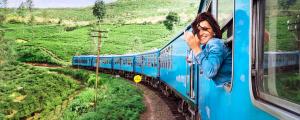
Travel has evolved, and with it, a growing interest in the concept of slow travel. This approach encourages travelers to take their time, immerse themselves fully in their surroundings, and build deeper connections with the places they visit. By prioritizing quality over quantity, slow travel provides a more enriching experience that fosters genuine connections and personal growth.
Those who embrace slow travel often find themselves exploring less-trodden paths, engaging with local cultures, and enjoying meaningful conversations with residents. This method not only enhances the traveler’s experience but also promotes sustainability by reducing the environmental impact of travel. Enthusiasts of slow travel appreciate how it invites a more mindful way to explore the world.
As more people seek authentic experiences, the allure of slow travel continues to grow. This guide aims to illuminate the principles of slow travel, offering practical tips for those ready to embark on a journey that values depth and authenticity over speed and convenience.
Understanding Slow Travel
Slow travel promotes a mindful approach to exploring the world. It emphasizes quality experiences over quantity and encourages travelers to immerse themselves in local cultures. This section explores its definition, origins, contrasts with fast travel, and the mindset of a slow traveler.
What Is Slow Travel?
Slow travel refers to a travel approach focused on experiencing destinations at a leisurely pace. It encourages staying in one place longer, allowing for deeper connections with local communities, cultures, and environments.
Rather than rushing from one tourist attraction to another, slow travelers prioritize understanding a destination’s unique characteristics. This includes engaging with local customs, savoring regional cuisine, and developing relationships with residents. By embracing this approach, travelers often find more enriching and memorable experiences compared to traditional travel styles.
Origins and the Slow Movement
The concept of slow travel is rooted in the broader Slow Movement, which began in Italy during the late 1980s. This movement emerged as a response to the fast-paced lifestyles increasingly dominating society. Slow food, a key component of the movement, emphasized quality, tradition, and sustainability in dining.
As people began to embrace the values of slow food, the principles extended to travel. The idea grew that exploring places at a relaxed pace could lead to a more satisfying experience. The slow travel movement has now gained popularity globally, reflecting a growing desire for authentic travel experiences.
Slow Travel vs. Fast Travel
Slow travel contrasts sharply with fast travel. Fast travel prioritizes hitting major tourist spots in a limited timeframe, often leading to superficial experiences. Travelers using this approach may feel rushed and miss the nuances of a destination.
In contrast, slow travel emphasizes exploration over checklists. Travelers may spend days in one city, allowing them to uncover hidden gems and enjoy spontaneous interactions. This method fosters a deeper appreciation for cultural differences, regional traditions, and local insights.
The Mindset of a Slow Traveler
A slow traveler focuses on connection, appreciation, and simplicity. They approach journeys with curiosity, wanting to learn rather than conquer. This mindset includes valuing experiences over possessions and choosing activities that promote relaxation and mindfulness.
Slow travelers often opt for alternative transportation methods like biking or walking, enabling them to engage more intimately with their surroundings. They relish the journey itself, connecting with local people and savoring the small moments that punctuate their travels. This holistic approach transforms travel into a meaningful experience, fostering development and understanding.
Why Slow Travel Is Worth Trying
Traveling at a slower pace allows individuals to immerse themselves in their surroundings, fostering authentic experiences and deeper connections. This approach not only benefits travelers but also positively influences local communities and the environment.
Benefits for Travelers
Travelers who embrace slow travel often find greater satisfaction in their journeys. By spending more time in one location, they can enjoy unique interactions with locals. This fosters a deeper understanding of the culture, cuisine, and traditions.
Additionally, slow travel encourages a more relaxed atmosphere. Rather than rushing from one attraction to another, travelers can savor their experiences. They may discover hidden gems, enjoy leisurely meals, and engage in meaningful conversations. Furthermore, this style of travel is conducive to personal growth. Taking the time to reflect and connect with a destination can lead to increased mindfulness and overall well-being.
Positive Impact on Local Culture and Economy
Slow travel significantly benefits local cultures and economies. When travelers spend extended periods in a community, they contribute directly to local businesses. This includes supporting shops, restaurants, and markets.
Moreover, longer stays allow travelers to engage with local customs. They may participate in festivals, workshops, or volunteer projects that enrich their understanding of the area. Such interactions can foster respect and appreciation for distinct cultural practices.
This approach encourages sustainable tourism, where economic benefits are distributed within the community. The resulting financial influx can lead to improved infrastructure and services, which enrich the local way of life.
Environmental and Personal Advantages
From an environmental perspective, slow travel can reduce carbon footprints. Fewer flights and longer stays often lead to lower overall emissions. Using local transportation, like bicycles or public transit, further minimizes environmental impact.
On a personal level, slow travel can enhance mental well-being. Reduced stress often accompanies a slower pace. Travelers may find it easier to disconnect from everyday pressures and enjoy their surroundings.
Additionally, embracing local resources fosters a sense of community. Engaging in sustainable practices, such as sourcing food from local markets, promotes environmental consciousness. This connection enhances the travel experience, making it more fulfilling.
Myths and Misconceptions
Several myths surround the concept of slow travel. One common misconception is that it requires more time than most people can afford. In reality, even short trips can be approached with a slow mindset. Another myth suggests that slow travel is only for retirees or those with flexible schedules. This is not accurate; many individuals work remotely and can incorporate slow travel into their routines.
Lastly, some believe that slow travel lacks excitement. In truth, it often leads to unexpected adventures and opportunities. By engaging with a destination’s nuances, travelers can uncover experiences that fast-paced tourism often overlooks.
How to Embrace Slow Travel
Travelers can enhance their experiences by choosing destinations that promote a slower pace, crafting thoughtful itineraries, engaging in immersive activities, and utilizing sustainable transportation options. The following elements play a crucial role in integrating slow travel into one’s journey.
Choosing Destinations and Accommodations
Selecting the right destination is foundational to slow travel. Look for places that prioritize local culture and community over overcrowded tourist spots. Rural areas, small towns, or regions known for their natural beauty often provide a more authentic experience.
When it comes to accommodations, consider Airbnb, homestays, or local guesthouses. These options often reflect the area’s character more closely than larger hotels. Engaging with hosts can also offer insights into local life, enhancing the experience. Travelers should prioritize places that allow for longer stays, as this lends itself to exploring at a relaxed pace.
Building a Slow Travel Itinerary
Creating a slow travel itinerary involves limiting the number of destinations to allow for deeper exploration. This means spending days or weeks in one place rather than hopping between multiple locations.
Incorporate a mix of planned activities and free time. Travel guides can help identify unique local experiences, such as cooking classes or art workshops. Utilize tools like maps and apps to discover nearby attractions rather than relying solely on tourist sites. Flexibility in the itinerary is essential, allowing travelers to embrace spontaneous opportunities and local recommendations.
Immersive Activities and Cultural Engagement
Immersive activities help travelers connect with local cultures. Participate in local festivals, volunteer opportunities, or community-led tours to gain authentic insights.
Spend time with locals to understand their way of life. For instance, cooking or language classes offer hands-on experiences that enrich travel. Engaging in outdoor activities like backpacking or cycling can also reveal hidden gems and promote interaction with the environment.
Transportation Tips for Traveling Slowly
Using sustainable transportation is vital for slow travel. Public transport like buses and trains is ideal, as they encourage a more local experience. Travel by bike to explore urban and rural areas at a leisurely pace.
When possible, walking should be the preferred mode of transportation. This not only helps in appreciating the surroundings but also allows for spontaneous stops along the way. Minimize flights and car rentals to reduce carbon footprints, making the journey both slow and eco-friendly.
Common Challenges and Practical Strategies
Slow travel presents unique challenges but can be managed effectively with the right strategies. Addressing issues such as time constraints, the need to balance work and travel, and coping with changes in plans can enhance the travel experience.
Overcoming Time Constraints
Many travelers face limited time, making it challenging to embrace slow travel. This can be particularly true for those traveling full-time while also maintaining remote work responsibilities.
To manage this, prioritize destinations that allow for extended stays. Look for places with ample opportunities for both work and exploration. Creating a flexible itinerary can help accommodate unexpected work demands while ensuring adequate time to experience local culture. Consider using time management tools to streamline work tasks. This leaves more room to enjoy travel experiences without feeling rushed.
Balancing Work and Travel
For remote workers, balancing job responsibilities with travel can be tough. It requires careful planning to avoid conflicts between work commitments and exploration. Setting specific work hours can help maintain a routine while traveling. This provides structure and ensures that work tasks do not interfere with travel experiences. Designate workspaces in comfortable settings to enhance productivity.
Communicating with employers about travel plans can pave the way for understanding and flexibility. This can enable better scheduling, allowing for both work and travel enjoyment without compromise.
Adapting When Plans Change
Changes in travel plans can occur for various reasons, including weather, scheduling conflicts, or personal issues. Flexibility is essential for successful slow travel. Travelers should build a buffer into their itineraries. This approach mitigates stress when unexpected events arise. Having a list of alternative activities or destinations can help travelers pivot smoothly without losing the essence of their journey.
If changes occur, maintaining a positive outlook is key. A shift in plans can lead to unexpected discoveries and enriching experiences, making adaptability a valuable skill in slow travel.