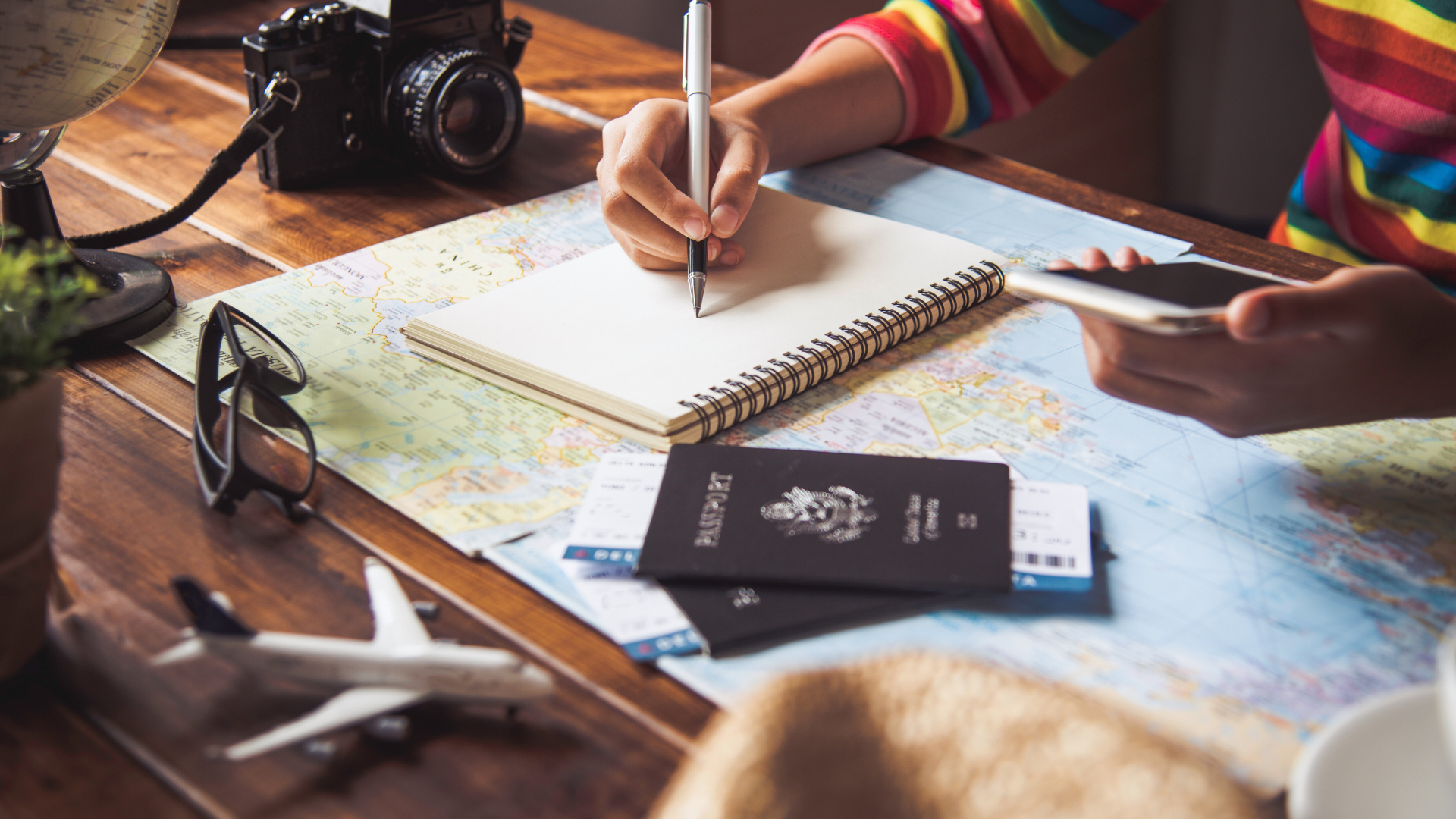
Planning an extended trip can be exhilarating but also overwhelming. Creating a comprehensive checklist ensures nothing important is overlooked, allowing for a smoother travel experience. From travel documents to packing essentials, checklists help travelers prepare effectively and reduce last-minute stress.
Before embarking on a journey, it is critical to consider various factors such as accommodations, transportation, and itinerary details. Having a structured list allows travelers to monitor tasks, ensuring that everything is in order before departure. This approach not only saves time but also enhances their overall travel enjoyment.
With the right preparations, anyone can travel confidently, knowing they have taken the necessary steps for a successful trip. A complete checklist serves as a reliable guide, providing peace of mind and helping to maximize the travel experience.
Pre-Departure Essentials Checklist
Preparation is crucial for an extended trip. A detailed checklist helps ensure no important tasks or items are overlooked. Focus on packing, securing documents, caring for pets, and managing finances effectively.
Create a Comprehensive Packing List
A packing list should include all necessary items for the trip. Start by categorizing belongings, such as clothing, toiletries, electronics, and travel documents.
Sample Clothing Checklist:
- Casual outfits
- Formal attire (if needed)
- Undergarments and socks
- Sleepwear
Toiletries:
- Toothbrush and toothpaste
- Shampoo and conditioner
- Sunscreen and medications
Include travel gear, like chargers and travel pillows. For international trips, check for country-specific items, such as converters.
Finally, double-check luggage restrictions for airlines. It can prevent inconvenience at the airport.
Ensure All Vital Documents Are Secured
Vital documents must be secured well before departure. This includes the passport, government-issued ID, and travel insurance.
- Passport: Check expiration date; renew if needed.
- ID: Make photocopies and store them separately.
Travelers should also carry emergency contacts and itinerary details. Keep these documents in a dedicated travel wallet for easy access.
Additionally, consider securing a digital backup of important documents in a cloud service. This ensures access in case of loss or theft.
Arrange Home and Pet Care
Making arrangements for home and pet care is essential. If pets are involved, research reliable dog walkers or pet-sitting services. Provide care instructions and emergency contacts for the pet caregiver.
Home Care Checklist:
- Stop mail delivery or ask a friend to collect it.
- Set timers for lights to deter burglars.
- Arrange for lawn care if necessary.
A neighbor can assist with day-to-day issues while away. Provide them with a house key and contact information. These steps help maintain a secure environment during the trip.
Finalize Financial Preparations
Financial preparations require attention to detail. Set up a budget for the trip and allocate cash for daily expenses.
- Inform banks of travel plans to avoid card issues.
- Check ATM availability at the destination.
Create a list of all relevant accounts, including credit cards and emergency funds. Consider carrying a mix of cash and cards for flexibility. Lastly, keep a record of expenses to monitor the travel budget. Being financially prepared adds peace of mind while enjoying the trip.
What to Pack for an Extended Trip
Packing for an extended trip requires careful consideration to ensure all essentials are included. Key items can improve comfort and convenience during the journey.
Clothing and Accessories
Selecting the right clothing is vital for any trip. Travelers should start with versatile items that can be layered and mixed. Essential clothing includes:
- Underwear: Pack enough for the trip duration, plus a few extras.
- Socks: Include moisture-wicking options for comfort.
- Ties or Accessories: For formal settings, consider bringing a couple of ties or accessories that match various outfits.
A good rule is to have at least one change of clothes in the carry-on. This ensures preparation for unexpected delays or spills. Lightweight and quick-dry fabrics can help save space and are practical for various climates.
Toiletries and Health Essentials
Travelers should not overlook toiletries and health essentials. A small toiletry bag can be efficient. Key items include:
- Toothbrush and Toothpaste: Opt for travel-sized versions to save space.
- Medication: Bring necessary medications, and consider packing a small first aid kit.
- Sunscreen and Bug Spray: Essential for outdoor trips.
Include any personal items like contact lenses or glasses as needed. It’s wise to carry a few healthy snacks to ensure energy availability, especially during long journeys.
Travel Documents and Electronics
Organizing travel documents is crucial for a smooth trip. Important items include:
- Passport and Identification: Ensure these are updated and securely stored.
- Travel Insurance Documents: Carry copies in case of emergencies.
- Camera: A small camera or smartphone can help capture memories.
For electronics, chargers and portable battery packs are essential. It’s also beneficial to have a universal travel adapter for various outlets encountered while abroad. Keeping these organized in a dedicated pouch can prevent loss.
Organizing and Maximizing Packing Space
Efficient packing maximizes space and reduces stress. Using packing cubes can help categorize items. Important tips include:
- Rolling Clothes: This method saves space and can minimize wrinkles.
- Lay Out Essentials First: Prioritize items that are needed most often.
Using all available bag space ensures no area goes wasted. Utilizing the gaps between items with smaller accessories also contributes to optimal organization.
Home Preparation and Security Measures
Preparing a home for an extended trip involves several important steps to ensure safety and security. Taking proactive measures can prevent accidents and deter theft while one is away.
Safeguard Your Home Against Risks
Before leaving, it is crucial to reduce risks that may cause damage or facilitate break-ins. First, ensure all windows and doors are locked securely. Consider installing deadbolts and using window locks for added security.
Remove valuables from sight. Use curtains or blinds to block views into the home. Install timers on lights to create the illusion of occupancy. This can complement security systems effectively.
Checking smoke detectors and securing appliances also matters. Unplug electronics and consider turning off the water supply to prevent leaks or floods. For pet owners, arrange for a dog walker to care for pets, alleviating concerns about pet safety.
Notify Neighbors or Trusted Contacts
Informing trusted neighbors or friends can enhance home security. They can monitor the property during their absence. A simple phone call or message can establish a system for them to watch over the home.
Provide them with a spare key in case of emergencies. Share relevant information, such as how to reach the traveler and specific concerns. Encourage them to collect mail and newspapers regularly. Stacks of mail can signal an empty house and attract attention. Asking them to park in your driveway occasionally can further mimic normal home activity.
Manage Deliveries and Utilities
Managing deliveries is vital to maintain the appearance of an occupied home. Contact delivery services to pause or hold packages and subscriptions. This can prevent unwanted items from accumulating at the doorstep.
Review utility arrangements as well. Set thermostats to a reasonable level to save energy while preventing damage from extreme temperatures.
If applicable, schedule lawn care or maintenance services to keep the yard tidy. An unkempt lawn can also signal absence. For frequent travelers, mapping local service options in advance can ease return transitions.
Final Checks Before Departure
Before heading out on an extended trip, completing crucial final checks can prevent issues during travel. This includes confirming arrangements, completing tasks around the home, and ensuring nothing is overlooked.
Complete Last-Minute Tasks
Before departure, take a moment to finalize any last-minute chores. This may involve:
- Cleaning and Organizing: Tidy up spaces to avoid returning to a messy home.
- Grocery Needs: Use up perishable food items or adjust the refrigerator’s settings.
- Mail Management: Arrange for mail holding or ask a neighbor to collect mail.
It’s essential to ensure that all critical tasks are done, as this can save time and stress later. Implementing a checklist can help keep tasks manageable.
Verify Transportation Arrangements
Double-checking transportation can mitigate unexpected issues. This includes:
- Confirming Flights or Reservations: Recheck flight times and booking details.
- Ground Transportation: Ensure car rentals or pickups are confirmed.
- Departure Transport: Plan to arrive at the airport or station ahead of time to accommodate security and boarding.
Having printed or digital copies of confirmations can be helpful. This ensures readiness on travel day.
Perform a Final Walkthrough
A thorough walkthrough of the home ensures everything is secure. Focus on checking:
- Doors and Windows: Verify all doors and windows are locked.
- Electronics: Unplug non-essential electronics to prevent fire hazards.
- Appliances: Make sure appliances are turned off.
This inspection helps to create peace of mind while traveling. Not only does it secure the home, but it also confirms that all essential items are in place.