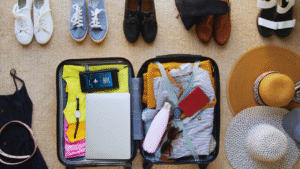
Traveling for an extended period can be exhilarating, yet it presents unique challenges when it comes to staying organized. With constantly changing locations and a multitude of tasks at hand, maintaining order becomes essential for a successful journey. Implementing effective organizational strategies allows travelers to focus on the experiences rather than the chaos.
Tech-savvy solutions and practical techniques can help keep all travel essentials in check. From digital tools to packing strategies, there are various methods to ensure everything remains accessible and manageable. Knowing how to approach an organization during long-term travel can significantly enhance the overall experience.
By adopting the right practices, travelers can reduce stress and maximize enjoyment on their adventures. Emphasizing preparation and adaptability sets the stage for memorable journeys that are well-organized and fulfilling.
Optimize Packing for Extended Trips
Effective packing is crucial for long-term travel. An organized approach allows for flexibility and efficiency, ensuring ease in accessing essentials on the go. Here are key strategies for optimizing packing.
Create an Organized and Flexible Packing List
A well-structured packing list is foundational for any extended trip. Start by categorizing items into groups: clothing, travel essentials, documents, and toiletries. This helps in ensuring nothing important is overlooked.
He or she should prioritize lightweight and versatile clothing items. Consider a capsule wardrobe, which helps reduce bulk while providing various outfit options. Use a digital app or a simple checklist on paper to maintain flexibility, allowing for adjustments as needs change.
Use Packing Cubes and Compression Bags to Compartmentalize
Packing cubes are excellent for maintaining organization in a suitcase. These cubes allow for easy segregation of items, such as clothes, underwear, and accessories. By compartmentalizing, finding specific items becomes simple, reducing unpacking time.
Compression bags serve a dual purpose: saving space and protecting clothing from moisture. These bags help to condense bulkier items, such as jackets, making room for additional necessities. Using both packing cubes and compression bags simplifies organization and travel efficiency.
Select Multi-Use Essentials and Capsule Wardrobe Pieces
Choosing multi-use essentials is key to minimizing luggage. Select items like a lightweight scarf that can serve as a wrap, blanket, or accessory. A good pair of shoes can transition from hiking to casual outings, reducing the total number of pairs needed.
The capsule wardrobe concept plays into this idea. By carefully selecting mix-and-match clothing, he or she can create numerous outfits using fewer items. This not only simplifies packing but also enhances the travel experience through versatility and ease.
Organize Toiletries and Accessories for Quick Access
Toiletries can often become cumbersome if not organized properly. Use a dedicated toiletry bag with compartments to keep items separate. Travel-sized containers for liquids are essential for saving space while adhering to airline regulations.
Incorporating a travel document organizer ensures important documents remain accessible. Including a jewelry organizer can keep accessories tangle-free and easy to reach. Keeping everything within quick reach allows for hassle-free access, making the travel experience smoother overall.
Keep Travel Plans and Documents Structured
Staying organized during long-term travel hinges on effective document management and itinerary structuring. This involves centralizing information, securely storing important documents, and using technology for reminders.
Centralize Your Travel Itinerary and Travel Details
Creating a centralized travel itinerary is essential for long-term trips. This itinerary should include flight details, accommodation information, transportation options, and activity schedules.
Using tools like TripIt can streamline this process. Users can forward confirmation emails to TripIt, which then compiles all travel details into a single, accessible platform.
Key components of a comprehensive itinerary:
- Flight Information: Departure, arrival times, and booking references.
- Accommodation Details: Addresses, check-in/check-out times, and contact numbers.
- Daily Activities: Prioritized plans for sightseeing or relaxation.
Having this structure alleviates confusion and makes adjustments easier.
Store Important Documents in Secure Organizers
Keeping travel documents secure is vital to prevent loss or theft during the journey. Travelers should use a dedicated travel organizer to store important documents effectively.
Including the following in the organizer ensures readiness:
- Passports and IDs
- Insurance Documents
- Travel Tickets
- Emergency Contacts
Physical copies are important, but digital backups can be invaluable. Scanning documents and storing them in a secure cloud service provides accessibility if the originals are lost.
Organizing tips:
- Use labeled sections for each type of document.
- Consider a waterproof organizer for added safety.
Leverage Travel Apps for Itineraries and Reminders
Travel apps serve as indispensable tools for managing itineraries and sending reminders. These apps allow users to keep all travel details at their fingertips.
Key functionalities of itinerary apps include:
- Real-Time Updates: Notifications for flight changes or delays.
- Automatic Syncing: Easy access from multiple devices.
- Expense Tracking: Help manage travel budgets and avoid overspending.
Popular apps like Google Trips and Kayak simplify travel planning by consolidating reservations and suggesting nearby attractions.
Encouraging the use of these organizational tools leads to a more streamlined, enjoyable travel experience.
Maintain Daily Organization On the Road
Staying organized during long-term travel is key for smooth experiences. Effective routines can enhance daily life, allowing travelers to enjoy their journeys without unnecessary stress.
Establish an Efficient Unpacking and Packing Routine
Setting a consistent routine for unpacking and packing helps maintain order in travel. When arriving at a new location, they should unpack their essentials immediately. This practice enables living out of a suitcase to become more manageable.
Designate specific areas for items, such as clothes and toiletries, to avoid mixing. Packing cubes are beneficial, as they separate clothing types and make repacking easier. Before moving to the next stop, it’s wise to pack items systematically, ensuring everything has its place. This efficiency reduces time spent searching for belongings.
Keep a Travel Journal to Track Experiences and Plans
A travel journal serves as a practical tool for recording travel memories and plans. By writing daily, travelers can document experiences and insights, helping to process events as they unfold. Journals also function as a planning tool. They can outline upcoming itineraries, accommodation details, and essential contacts. When reviewing past entries, they can recall specific details about locations, creating a deeper connection to the journey. Using stickers or drawings can make journaling a more engaging experience.
Use Dedicated Bags for Laundry and Other Items
Using dedicated bags for laundry is vital in keeping organization intact while traveling. A separate laundry bag allows clean clothes to remain fresh and avoids mixing clean and dirty garments.
Utilizing specific pouches or bags for various items further enhances organization. For example, a separate bag for shoes or electronics can minimize clutter. Color-coded or labeled bags streamline the identification process, enabling quick access to essentials. This practice not only aids organization but also simplifies the packing process when preparing for travel. Overall, these methods contribute significantly to maintaining daily organization, leading to more enjoyable travel experiences.
Adapt Your Organizational Strategies Throughout Your Journey
Adjusting organizational strategies during long-term travel can help make the experience smoother and more enjoyable. Regular evaluation and staying adaptable to surroundings are crucial for efficient travel management.
Regularly Reevaluate What You Carry
Travelers should assess their packing list periodically. As time goes on, certain items may become less essential. Consider using a method like a packing cube system to categorize belongings and identify what is frequently used versus what isn’t.
- Clothing: Heavier items can be swapped out for lighter alternatives based on weather changes.
- Technology: Battery packs and chargers may become unnecessary if access to outlets improves in accommodations.
Conduct inventory checks every couple of weeks to determine what can be left behind when possible. Less clutter leads to easier organization.
Stay Flexible with Local and Regional Needs
Travelers must stay responsive to the local culture and environment. This might require a shift in organizational methods based on accessibility and local resources.
- Local Supplies: Items like toiletries can often be purchased locally, eliminating the need to carry them long-term.
- Activity Adjustments: If plans change, being open to new experiences will often require flipping priorities. Adjusting the items packed may enhance those experiences.
This flexibility ultimately leads to a more organized and fulfilling travel journey, as it allows for spontaneity while managing essentials efficiently.