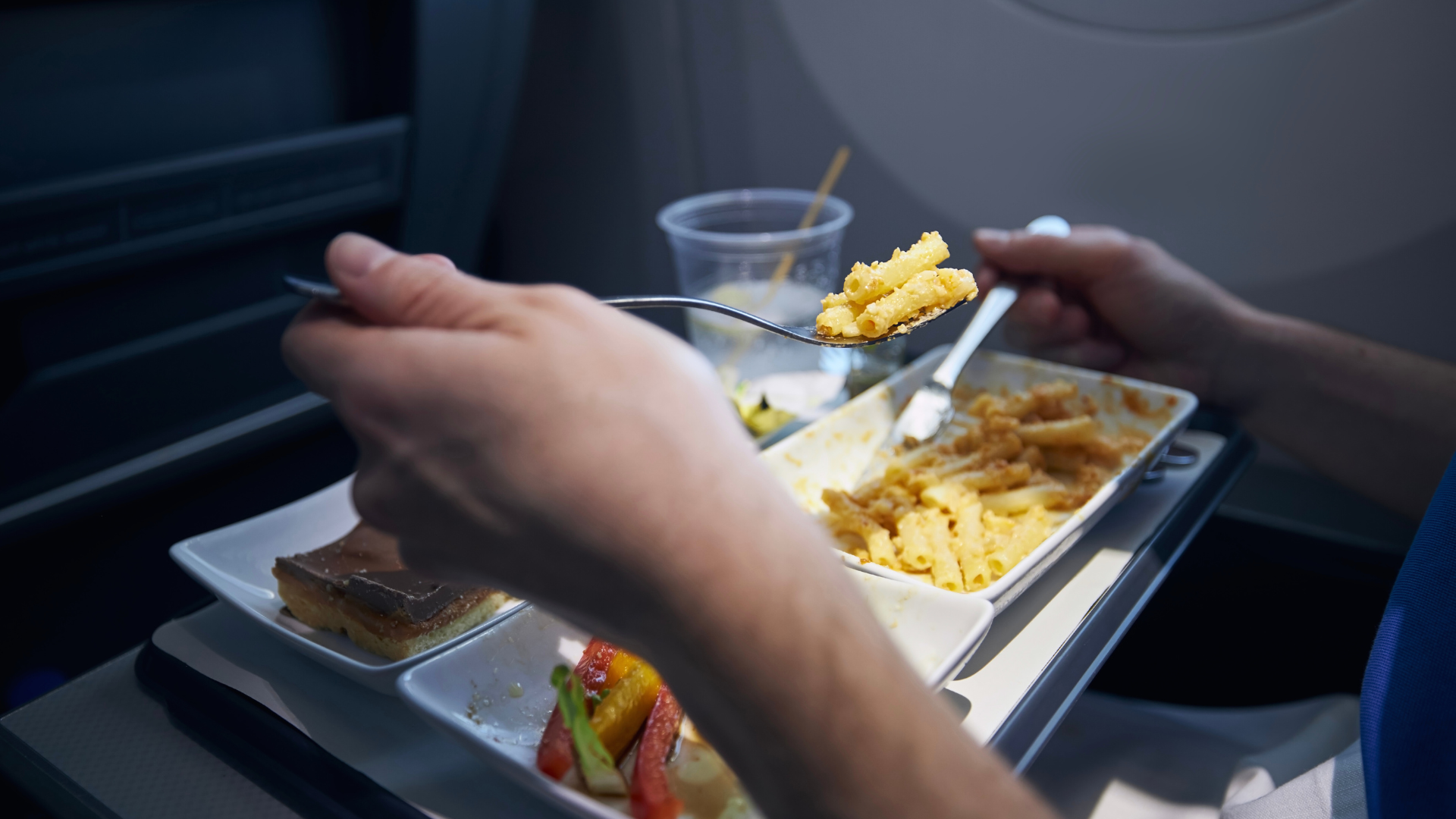
Long-haul flights can pose various challenges to health, from cramped seating to dry cabin air. To stay healthy during long-haul flights, it’s essential to prioritize hydration, engage in movement, and consider nutrition. Making conscious choices can greatly enhance comfort and well-being while traversing long distances in the air.
Travelers often experience fatigue, dehydration, and discomfort during extended periods of air travel. Simple strategies, such as drinking plenty of water, stretching regularly, and bringing healthy snacks, can make a significant difference. By implementing these practices, individuals can arrive at their destination feeling more energized and ready to explore.
Being proactive about health during long-haul flying leads to a more enjoyable journey. Adapting healthy habits can help mitigate the negative effects of travel, allowing passengers to focus on the adventure ahead. Emphasis on preparation and self-care transforms the flying experience into a positive part of the travel journey.
Preparing for a Healthy Long-Haul Flight
Proper preparation is essential for maintaining health and comfort during long-haul flights. Attention to flight selection, packing essentials, and pre-flight routines can greatly enhance the travel experience.
Choosing the Right Flight and Seating
Selecting the ideal flight is crucial. Passengers should aim for non-stop flights to minimize travel time and potential fatigue.
When choosing a seat, opting for one with extra legroom can make a significant difference. Exit rows or bulkhead seats often offer more space. Additionally, being closer to the front provides faster boarding and disembarking. Consider an aisle seat for easier access to move around. This encourages regular stretching and walking, reducing the risk of blood clots.
Packing Essentials for Wellness
Packing strategically contributes to in-flight well-being. Compression socks are highly recommended, as they enhance circulation and minimize swelling. Noise-cancelling headphones can provide relief from cabin noise, enhancing comfort during the flight. An eye mask helps block out light, promoting better rest.
It’s also wise to bring a refillable water bottle. Staying hydrated prevents dehydration caused by the dry cabin air. Snacks rich in protein and fiber, such as nuts and dried fruit, support sustained energy levels.
Pre-Flight Hydration and Nutrition
Hydration should begin well before boarding. Drinking ample water the day before the flight prepares the body for long hours in a dry environment. Eating a balanced meal before departure is essential. Focus on lean proteins, fruits, and whole grains to avoid digestive discomfort.
In contrast, heavy or fried foods should be avoided, as these can lead to bloating and lethargy. Consuming anti-inflammatory foods like ginger or turmeric can be beneficial for overall well-being. These thoughtful preparations can lead to a healthier, more enjoyable travel experience.
Staying Healthy During the Flight
Maintaining health during a long-haul flight involves strategic movement, proper rest, adequate hydration, and germ protection. Passengers can employ specific methods to enhance comfort and minimize health risks associated with extended air travel.
Movement and Circulation Strategies
Sitting for long periods can increase the risk of deep vein thrombosis (DVT). To counteract this, passengers should incorporate movement into their travel routine.
- Stand and Stretch: Passengers can periodically stand up and stretch to promote circulation.
- Walk the Aisles: Walking for a few minutes every couple of hours can enhance blood flow and decrease discomfort.
- Leg Exercises: Passengers should do simple leg exercises while seated. Ankle circles and heel-toe lifts can keep blood circulating.
Wearing compression socks can also support circulation in the legs, reducing swelling and lowering the risk of DVT.
Managing Sleep and Rest
Resting during a long-haul flight is crucial for minimizing fatigue and adjusting to time zone changes. Passengers can maximize their chances of restful sleep by creating a conducive environment.
- Eye Mask and Earplugs: Using an eye mask and noise-cancelling headphones can block light and sound, making it easier to sleep.
- Neck Support: A travel pillow can provide neck support and enhance comfort.
- Sleep Schedule: Aligning sleep periods with the destination time zone can help acclimate passengers faster.
Adjusting seating position and using blankets can also improve comfort and promote better rest.
In-Flight Hydration and Nutrition
Proper hydration and nutrition play a key role in maintaining health during flights. Airplane cabins often have low humidity levels, which can lead to dehydration.
- Drink Water Regularly: Passengers should aim to drink water every hour or so. Carrying a refillable water bottle can help maintain hydration.
- Limit Caffeine and Alcohol: Reducing intake of caffeinated and alcoholic beverages can prevent dehydration and sleep disturbances.
- Healthy Snacks: Packing healthy snacks, such as nuts, fruit, or protein bars, can help keep energy levels stable.
It is advisable to consume smaller, regular meals rather than heavy meals to avoid discomfort.
Protecting Against Germs and Dry Cabin Air
Air quality in airplane cabins can lead to an increase in the spread of germs. Passengers should take proactive measures to protect their health.
- Hand Sanitizer: Carrying hand sanitizer is a practical way to reduce the risk of infections.
- Face Masks: Wearing a face mask can limit exposure to airborne germs.
- Humidifier During Flight: Using a personal humidifier or nasal spray can help alleviate dryness caused by cabin air.
These simple strategies can significantly enhance comfort and health for passengers on long-haul flights.
Recovering After Arrival
Recovery after a long-haul flight is crucial to overcoming jet lag and restoring balance to the body. Focus on managing fatigue and rehydrating effectively to ensure a smooth transition to the new environment.
Combating Jet Lag and Fatigue
Jet lag commonly occurs when traveling across multiple time zones. It can disrupt sleep patterns and overall energy levels. To combat this, travelers are encouraged to gradually adjust their sleep schedule before departure. Upon arrival, exposing oneself to natural light can help reset the body’s internal clock. Staying active with light exercise, such as walking, aids in reducing fatigue.
To enhance recovery, consider taking short naps, no longer than 30 minutes. This limits grogginess and helps maintain a productive energy level throughout the day. Hydration also plays a significant role in managing fatigue.
Rehydration and Nutrition Post-Flight
Air travel can lead to dehydration due to low humidity in the cabin. Upon arrival, it is essential to replenish fluids by drinking water or electrolyte-rich beverages. Travelers should aim to consume fruits and vegetables, which offer hydration and essential nutrients. Foods high in protein can help restore energy levels.
A balanced meal that includes whole grains, proteins, and healthy fats supports recovery and stabilizes mood. Avoiding caffeine and alcohol initially helps to avoid dehydration and further jet lag symptoms. Prioritizing nutrition fosters a quicker adjustment to the new time zone.