Creating a well-structured travel itinerary can transform a chaotic trip into a smooth and enjoyable experience. Effective organization of a travel itinerary involves outlining daily activities, accommodations, and transportation to maximize efficiency and minimize stress. This allows travelers to focus on enjoying their journey rather than worrying about logistics.
When planning a trip, attention to detail can significantly enhance the overall experience. By categorizing travel details and utilizing tools such as apps or spreadsheets, individuals can track their plans easily. This systematic approach not only aids in managing time effectively but also ensures that no important sights or activities are overlooked.
Incorporating flexibility into the itinerary adds an extra layer of enjoyment. While it’s essential to have a plan, allowing for spontaneous adventures can lead to unexpected discoveries. A well-organized itinerary balances structure and freedom, enabling travelers to explore at their own pace.
Initial Steps to Organize Your Travel Itinerary
Creating a travel itinerary begins with a clear vision of the journey. He or she should focus on setting goals, researching destinations, and establishing travel dates.
Defining Your Travel Goals
Clearly defining travel goals can help streamline the planning process. Is it a solo adventure seeking adventure, or a family vacation aimed at relaxation? Each trip type requires different considerations.
Travelers should ask themselves specific questions. What experiences are they seeking? Are they interested in cultural exposure, outdoor activities, or culinary experiences? Setting goals establishes a framework and helps prioritize activities, making the itinerary more focused. Consider listing priorities and adjusting them based on available time and budget. Make a table or bullet points to visualize goals clearly. This method enhances organization and clarifies expectations.
Travelers can also consider searching for various guides and resources for their Galapagos trip planning, or elsewhere, to make the process easier and ensure their itinerary is both structured well and aligned with their interests. Accessing expert advice and curated information can help travelers make better decisions, leading to a more rewarding and responsible travel experience.
Conducting Destination Research
Once goals are defined, conducting thorough destination research is essential. Each destination offers unique attractions and activities. Understanding these will help tailor the itinerary. There are various resources available for research. Travel blogs, official tourism websites, and forums can provide valuable insights. Check for local events, weather patterns, and travel advisories to ensure the trip runs smoothly.
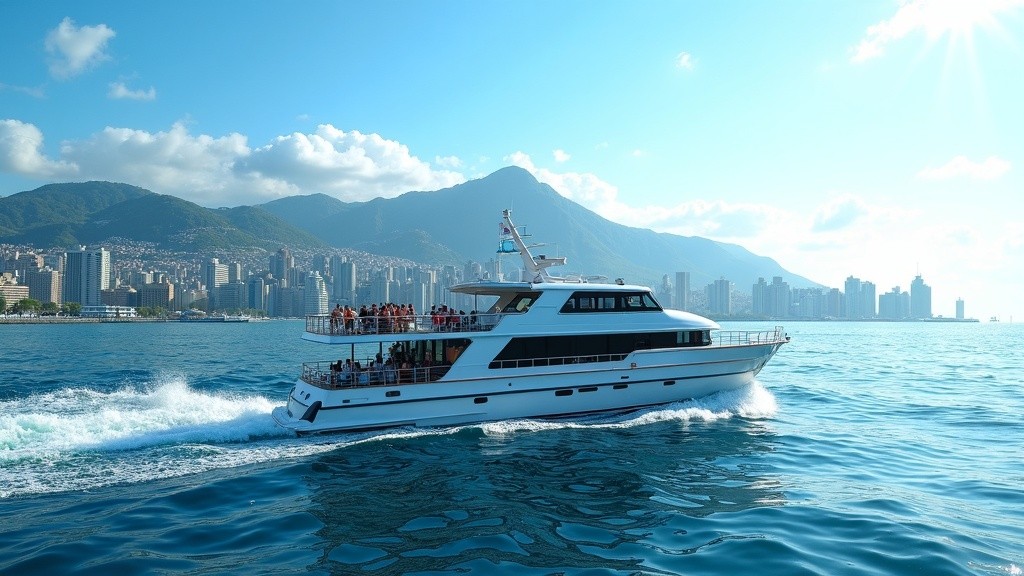
After selecting a destination, determining how to get there is a crucial next step. Research the various transportation options available—whether by plane, train, car, bus, or ferry. Each mode of transport offers different advantages in terms of cost, travel time, scenic value, and convenience. For island destinations or coastal areas, ferries can provide a scenic and relaxing journey. Compare prices, schedules, and booking requirements well in advance, as popular routes may sell out during peak seasons. Consider factors like luggage allowances, onboard amenities, and connection times when making your decision.
Compile a list of must-see spots and activities based on personal interests and goals. A spreadsheet can help track options, costs, and opening hours for each location. This organized approach aids in both planning and decision-making.
Establishing Dates and Trip Duration
Establishing dates and trip duration is a critical step in organizing an itinerary. Travelers should consider work and personal schedules, as well as peak seasons for destinations. Determine how long the trip will be based on available time. A week may be perfect for exploring multiple attractions, while a weekend might suffice for a short getaway. Both solo travelers and families should prioritize essential activities within these timeframes.
Creating a timeline can help visualize day-to-day activities. A simple chart displaying dates, activities, and rest periods assists in balancing exploration and relaxation. Flexibility remains important, allowing for unexpected adventures.
Building the Framework of Your Itinerary
Creating a well-structured travel itinerary involves careful planning of various elements. Each component, from budgeting to choosing activities, contributes to an enjoyable and efficient trip. Understanding how to balance these aspects is key to a successful journey.
Creating a Budget and Allocating Resources
A budget serves as the foundation for any travel itinerary. Travelers should begin by determining their overall budget based on the travel duration, destination, and personal finances. It is essential to allocate funds to different categories such as accommodation, transportation, food, and activities.
Here’s a simple budget breakdown:
| Category | Percentage of Total Budget |
| Accommodation | 30% |
| Transportation | 20% |
| Food | 20% |
| Activities | 20% |
| Miscellaneous | 10% |
Once categories are set, he or she can adjust allocated amounts according to personal priorities. This approach ensures that resources are utilized efficiently throughout the trip.
Selecting Accommodation Options
Choosing the right accommodation can significantly affect the travel experience. Factors to consider include location, price, and amenities. He or she should evaluate various options, such as hotels, hostels, or vacation rentals, based on their budget and travel style.
Key points to consider:
- Proximity to attractions: Staying closer reduces transportation costs and saves time.
- Amenities offered: Wi-Fi, breakfast, or fitness facilities may enhance comfort.
- Reviews and ratings: Researching past guest experiences can provide valuable insights.
Booking in advance often leads to better rates and availability.
Organizing Transportation Choices
Transportation logistics should be addressed early in the itinerary planning. Travelers need to decide between options such as flights, trains, buses, or car rentals based on convenience and budget.
Here are some essential tips:
- Research transportation options: Compare prices and travel times for different modes.
- Plan for local transport: Investigate public transit systems or ride-sharing options.
- Check for deals: Early booking can yield discounted rates on flights and rentals.
Understanding transportation routes helps minimize confusion during the trip.
Choosing Must-Do Activities and Local Events
Identifying key activities and local events adds excitement to the travel experience. He or she should research attractions relevant to their interests. This may include landmarks, cultural sites, or local festivals.
Consider these steps:
- Prioritize activities: Create a list of “must-see” spots to ensure they fit within the budget.
- Check event calendars: Explore if local events coincide with the travel dates.
- Time management: Allocate time slots for each activity to avoid a rushed schedule.
Elevating the itinerary with well-planned activities maximizes enjoyment and engagement during the trip.
Tools and Templates for Streamlining Your Travel Plans
Using the right tools and templates can significantly enhance travel planning. By organizing itineraries and collaborating effectively, travelers can ensure a smooth trip. These methods allow for greater efficiency and enjoyment.
Utilizing Itinerary Templates and Trip Planning Apps
Travelers can benefit significantly from using itinerary templates. Platforms like Google Docs or Google Sheets offer free itinerary templates that can be customized. These templates simplify the process of documenting flights, hotels, activities, and budgets.
Trip planning apps such as TripCase provide features like real-time flight updates and reminders. Users can monitor changes to itineraries directly within the app. This convenience reduces stress and enhances organization throughout the trip.
Collaborating With Travel Companions
Travel often involves companions, making collaboration essential. Tools like Splitwise assist in managing shared expenses, ensuring clarity among group members. Travelers can list expenses, split costs, and settle up after the trip.
Using collaborative platforms like Google Docs allows multiple users to contribute to the itinerary. It makes it easier for everyone to share travel preferences and activities. Real-time editing ensures that all members stay informed of changes and updates.
Ensuring Offline Access and Sharing Options
Offline access becomes crucial in areas with limited connectivity. Many apps, including TripCase, allow users to download itineraries for offline viewing. This access ensures critical information remains available when needed.
Sharing options also play a role in effective travel planning. Itineraries can be shared with companions through email or messaging apps. This ensures that everyone has the latest version and can refer to essential details even without internet access.
Finalizing and Enhancing Your Travel Experience
This stage focuses on making the travel itinerary adaptable while ensuring vital information is readily available. Additionally, gathering insights and reviews can enhance the overall experience by uncovering unique opportunities during the trip.
Adapting Itinerary Formats for Flexibility
Travel itineraries should be adaptable to accommodate changes that may arise. Using digital formats like Google Sheets or travel apps allows travelers to modify plans quickly. These formats can include links to locations, maps, and real-time updates.
An effective layout might include:
- Day-by-Day Breakdown: Dividing days with specific activities noted.
- Highlight Sections: Emphasizing must-see attractions or hidden gems.
- Time Blocks: Allowing for spontaneous decisions and downtime.
Flexibility helps manage unforeseen circumstances while maintaining a structured travel experience.
Including Emergency Contacts and Essential Information
All travel itineraries must have emergency contacts and essential information readily accessible. This includes local emergency numbers, contact details for accommodations, and the nearest embassy or consulate.
Also, including health-related information like:
- Health Insurance: Policy numbers and providers.
- Local Hospitals: Names and addresses of nearby medical facilities.
Having this information organized within the itinerary ensures travelers can react promptly during emergencies.
Maximizing Value Through Research and Reviews
Investing time in research and reading traveler reviews enhances the journey. This enables travelers to make informed decisions about activities, dining, and accommodations.
Key areas to investigate include:
- Tips from Fellow Travelers: Platforms like TripAdvisor or Yelp can provide insights into local favorites.
- Hidden Gems: Recommendations for lesser-known attractions can offer unique experiences.
- Budgeting: Finding free or low-cost activities to enhance the travel experience without overspending.
Thorough research fosters richer travel experiences and can lead to unexpected discoveries.