Traveling for the first time can be both exciting and overwhelming. With a world of experiences waiting, travelers must prepare effectively for their journeys. Familiarizing oneself with essential travel tips can significantly ease the transition into the adventure of travel.
From packing efficiently to navigating new cultures, understanding the basics can make all the difference. New travelers can benefit from knowing practical advice, such as keeping important documents organized and planning itineraries. Approaching travel with a few simple guidelines ensures a more enjoyable and stress-free experience.
Embracing the unknown is part of the adventure, but knowledge can mitigate potential challenges. Taking the time to learn key tips can not only enhance enjoyment but also build confidence for future travels. With the right preparation, any first-time traveler can turn their journey into a memorable experience.
Essential Preparations for First-Time Travelers
Preparing for travel as a first-time traveler involves securing necessary documents, understanding visa requirements, selecting suitable insurance, and creating a comprehensive packing list. Each of these steps is crucial for a smooth travel experience.
Securing Required Travel Documents
First-time travelers must prioritize securing essential travel documents. A valid passport is fundamental; it should have an expiry date at least six months beyond the planned return date. They should also carry a copy of the passport, along with other important documents such as driver’s licenses and travel itineraries.
Using envelopes or folders can help keep these documents organized. This reduces the risk of loss or damage. Travelers should also consider enrolling in the Smart Traveler Enrollment Program (STEP), which offers updates on safety conditions in the destination country.
Understanding Visa Requirements
Visa requirements vary significantly based on nationality and destination. Many countries require a visa for entry, while others may offer a visa-on-arrival or allow entry without a visa for short stays. Travelers need to research the specific visa requirements well in advance.
They should check the official government website of their destination for accurate information. Processing times for visas can vary widely, ranging from a few days to several weeks, so early application is advisable. Keeping track of visa expiration dates is also essential for extended travels.
Choosing the Right Travel Insurance
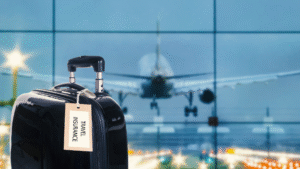
Travel insurance is a key aspect of preparation that can save travelers from potential headaches. A comprehensive travel insurance policy typically covers trip cancellations, medical emergencies, lost luggage, and other unforeseen events.
Travelers should evaluate different policies based on their travel plans and specific needs. Comparing coverage options and costs is crucial. It is wise to read customer reviews for insights into experiences with various insurance providers, ensuring they choose a reliable option.
Creating an Effective Packing List
An effective packing list helps ensure that first-time travelers have all the required travel essentials. This list should prioritize items such as clothing appropriate for the destination’s climate, toiletries, medications, and electronic devices.
Travelers can create a packing framework by making categories: clothing, documents, electronics, and health. Using packing cubes can help organize items and save space. They should also mark their luggage with identifiable tags to ensure easy recognition at airports. A well-planned packing list promotes a stress-free start to the adventure.
Smart Packing and Health Tips
Effective preparation can enhance travel experiences significantly. Smart packing minimizes stress while ensuring essential health practices keep travelers feeling their best.
Packing Light and Efficiently
Packing light is crucial for first-time travelers. It reduces hassle and encourages flexibility. Start by making a list of essential items, focusing on versatile clothing for various situations. Use packing cubes or compression bags to maximize space.
Items to Include:
- Clothing: Choose neutral colors to mix and match. Include layers to adapt to different climates.
- Toiletries: Opt for travel-sized containers. Consider solid toiletries to save space and avoid leaks.
- Electronics: Limit gadgets to one multipurpose device.
A reusable water bottle helps manage hydration while minimizing waste during travel.
Staying Healthy During Your Trip
Staying healthy while traveling involves several key practices. First, maintain hydration, especially during flights. Drinking adequate water helps avoid dehydration and jet lag.
Food safety is paramount. Travelers should eat at reputable establishments to reduce the risk of food poisoning. Avoid street food unless it appears fresh and well-cooked. Incorporate physical activity into daily itineraries. Short walks or stretching keep energy levels up during long travel days.
Preparing a First-Aid Kit
A well-stocked first-aid kit prepares travelers for unexpected events. Essentials include adhesive bandages, antiseptic wipes, pain relievers, and any personal medications.
Recommended Items:
- Antihistamines for allergies or insect bites
- Anti-nausea medication to address any motion sickness
- Gastrointestinal treatments for potential food-related issues
Organizing items in a compact pouch ensures everything is easily accessible when needed.
Combating Jet Lag and Travel Fatigue
Jet lag is common among travelers crossing time zones. To minimize its effects, adjust sleeping patterns a few days before departure. Gradually shifting bedtime helps the body adapt. During travel, keep hydration levels high and avoid excessive caffeine or alcohol.
After arrival, spend time outdoors. Natural light exposure helps recalibrate circadian rhythms. Prioritize rest with short naps if fatigue sets in. Maintaining a balanced routine aids overall well-being throughout the trip.
Managing Money and Connectivity Abroad
Traveling internationally requires careful handling of finances and staying connected. First-time travelers should focus on budgeting efficiently, navigating currency exchanges, using travel credit cards wisely, and ensuring they have access to reliable internet.
Budgeting for International Travel
Creating a detailed travel budget is essential. Start by estimating daily expenses for accommodation, food, activities, and transportation.
- Accommodation: Research various options like hotels, hostels, or short-term rentals to find costs that fit the budget.
- Daily Meals: Allocate a set amount for meals. Eating at local markets can be more economical than dining in restaurants.
- Transportation: Consider public transit over taxis to save money.
Use a budgeting app or spreadsheet to track expenses during the trip. This ensures travelers stay within their set limits and can adjust spending if necessary.
Navigating Exchange Rates and Currency
Understanding how to exchange currency is vital for travelers. Before the trip, research the destination’s currency and current exchange rates.
- Currency Exchange Options: Travelers can exchange money at banks, airports, or local exchanges. Always check the rates and fees.
- ATM Withdrawals: Using an ATM in the destination country may offer better rates, but consider the withdrawal fees. Inform the bank about international travel to avoid blocked transactions.
- Currency Conversion Apps: Use apps to quickly convert currencies on the go. This can help in making informed spending decisions.
Always have a small amount of local currency for emergencies or places that don’t accept cards. However, if travelers find themselves holding older banknotes from previous travels, such as the Finnish Markka, they may discover they are no longer accepted in modern shops. To make use of such an obsolete tender, travelers can use a specialized service to check the current Finnish exchange rate for withdrawn currency. This allows them to convert historical paper and coins into modern funds, ensuring that their leftover travel money doesn’t go to waste.
Using Travel Credit Cards Wisely
Travel credit cards offer benefits like no foreign transaction fees and travel rewards. Choose a card specifically designed for international travel.
- No Foreign Transaction Fees: This feature saves money on each purchase made abroad.
- Rewards Programs: Many cards offer points or miles that can be redeemed for cheap flights and accommodations.
- Credit Card Safety: Report lost or stolen cards promptly. Use a secondary card for added security.
Consider carrying a backup payment method, like cash or another card, to ensure access to funds if issues arise.
Staying Connected with Free Wi-Fi
Access to the internet is essential for navigation and communication. Many places offer free Wi-Fi, making it easier for travelers to stay connected.
- Finding Free Wi-Fi: Cafés, libraries, and airports often provide complimentary internet access. Download apps that map out locations with public Wi-Fi.
- Wi-Fi Hotspots: Some travelers opt to rent a portable Wi-Fi device. This can provide reliable internet access without relying solely on public networks.
- Safety Tips: Use a VPN when connecting to public Wi-Fi to protect personal data. Avoid accessing sensitive accounts on unsecured networks.
Staying connected helps travelers share experiences and navigate unfamiliar cities with ease.
Embracing Local Culture and Travel Experiences
Traveling provides an opportunity to immerse oneself in local culture and experiences. Engaging with customs, cuisine, and communities enriches the journey and can lead to unforgettable moments. Below are key areas to focus on for a deeper connection during travels.
Understanding Cultural Etiquette and Local Customs
Familiarity with local customs and cultural etiquette is essential. Each destination has unique practices that reflect its heritage. For example, in some cultures, greetings vary significantly. A firm handshake is common in Western countries, while a bow is preferred in Japan.
Travelers should research specific customs. Understanding these practices can prevent unintended offense and enhance interactions. Respecting local traditions, such as dress codes in religious sites, also demonstrates awareness and appreciation for the culture.
Enjoying Local Cuisine and Street Food
Local cuisine is a vital component of cultural experiences. Tasting regional dishes offers insights into history and traditions. Street food is often a highlight for many travelers. It provides authentic flavors at affordable prices.
Travelers should try popular local items, whether it be tacos in Mexico, pho in Vietnam, or curry in India. Being open to trying new foods can lead to delightful surprises. When exploring food options, hygiene is important. Select stalls that appear busy, as long lines often indicate quality.
Navigating Public Transportation and Local Markets
Public transportation is a practical way to engage with locals and explore diverse areas. Familiarizing oneself with the local transit system can simplify travel. In cities, subways, trams, and buses can provide insight into daily life. They are often faster and more economical than taxis.
Local markets present another opportunity for immersion. They showcase regional products, crafts, and fresh produce. Interacting with vendors can lead to memorable conversations. Additionally, practicing bargaining skills can be fun and culturally enriching.
Staying Safe While Exploring Off the Beaten Path
Exploring less-touristed areas often leads to unique experiences. It allows travelers to see authentic local life beyond the main attractions. Yet safety should remain a priority. Trusting instincts is crucial when venturing into unfamiliar regions.
Researching potential risks, including areas known for crime, can help in planning. Engaging with locals may provide valuable advice on safe practices. It’s also wise to stay alert and secure belongings. Keeping valuable items out of sight reduces the chance of theft.