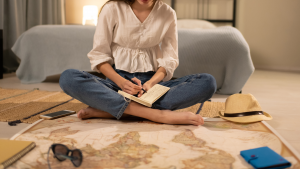
Packing efficiently can transform a stressful travel experience into a seamless one. To maximize suitcase space, utilize packing cubes, roll clothing instead of folding, and prioritize versatile outfits. These strategies not only create more room but also keep items organized and accessible.
Travelers often struggle with overpacking, leading to heavy luggage and limited space for souvenirs. By employing smart packing techniques, such as using compression bags and filling shoes with smaller items, individuals can fit more into their suitcases without added bulk. The art of packing is about balance—ensuring essentials are included while minimizing excess. Mastering these tips can lead to a more enjoyable journey and a suitcase that is easy to manage.
Essential Packing Strategies to Maximize Suitcase Space
Effective packing involves strategic decisions on luggage choice, creating a useful packing list, and organizing items for accessibility. These strategies are essential for making the most of suitcase space and ensuring a streamlined travel experience.
Choosing the Right Luggage for Efficient Packing
Selecting the right suitcase can significantly impact packing efficiency. A balanced suitcase with a combination of hard and soft-shell options offers flexibility and protection for belongings. Choose a size that fits travel needs while adhering to airline regulations to avoid excess fees.
Consider luggage features such as compartments and expandable zippers. Internal organization allows for better item separation, aiding in packing and retrieval. A suitcase with wheels can also facilitate easier movement, which is crucial during travel.
Building an Effective Packing List
An effective packing list is vital for a successful trip. Start by categorizing items into clothing, toiletries, electronics, and other essentials. This allows for quick assessments and adjustments before departure.
Use a checklist format, which can include items like:
- Clothing: Tops, bottoms, layers, and accessories
- Toiletries: Travel-sized products in zip-locked bags
- Electronics: Chargers, adapters, and devices
Review the list repeatedly to eliminate unnecessary items. Prioritize versatile clothing that can be mixed and matched to reduce bulk.
Organizing Items for Easy Accessibility
Strategic organization within the suitcase enhances accessibility. Roll clothing to save space and reduce wrinkles. Utilize packing cubes or compression bags to segregate items, making retrieval easier.
Place frequently accessed items on top, such as travel documents and snacks. For shoes, pack them with heavy items like toiletries to maintain balance. Consider using the empty spaces in shoes for smaller items like socks. By implementing these targeted strategies, travelers can maximize suitcase space while maintaining order and easy access throughout their journey.
Smart Techniques and Tools for Organized Packing
Efficient packing techniques and practical tools can significantly enhance how much clothing and gear can fit into a suitcase. By utilizing specific organizing products and strategies, travelers can maximize their luggage space effectively.
Packing Cubes and Compression Bags for Travel
Packing cubes are essential for organized packing. These containers help separate clothing types, making it easier to find items. The best packing cubes come in various sizes and styles, allowing for efficient space management.
Compression bags are another excellent tool. They reduce the volume of bulkier clothing like jackets or sweaters. Simply pack the clothes inside, seal the bag, and remove excess air. This method can free up significant suitcase space, offering a neat and orderly packing solution.
Using Vacuum Bags and Travel Accessories
Vacuum bags work similarly to compression bags. These bags can be tightly sealed by using a vacuum cleaner, which significantly minimizes space. Travelers can fit a considerable amount of clothing into a small area, making them perfect for long trips.
In addition, various travel accessories can aid in organized packing. For instance, toiletry organizers help keep hygiene products accessible. Shoe bags can prevent dirt from spreading onto clothing. These accessories enable travelers to maintain order within their luggage, facilitating stress-free travels.
Rolling Clothes vs Folding Clothes
Rolling clothes is a space-saving technique that can also minimize wrinkles. When done correctly, rolling can create more space than traditional folding methods. This technique works well for softer fabrics, such as t-shirts and activewear.
Folding, on the other hand, is suitable for structured clothing, like dress shirts. For items that need to maintain their shape, folding ensures they arrive at the destination in good condition. Many travelers find a combination of both techniques to be an effective strategy for different types of clothing.
Packing Hacks to Avoid Overpacking
To combat overpacking, travelers can adopt several smart packing hacks. One effective method is to lay out clothes before packing. This visual approach allows them to assess what is truly necessary and prevent excess items from being included.
Another hack involves using a capsule wardrobe concept. Selecting versatile clothing that can be mixed and matched helps limit the number of garments needed. Lastly, packing only the essentials and avoiding items that can be purchased at the destination simplifies the packing process and maximizes suitcase space.
Travel Essentials and Tips for Packing Light
Packing light is about selecting the right items and organizing them effectively. Focusing on versatile clothing and efficient use of space can streamline travel and enhance the experience.
Selecting Versatile Clothing and Travel-Sized Toiletries
When choosing clothing, versatility is key. Opt for neutral colors that can be mixed and matched, such as black, white, or beige. This allows for multiple outfits with fewer items.
Packing items like a lightweight cardigan, scarf, and comfortable shoes can transition from day to night. Fabrics that resist wrinkles, like polyester blends, are ideal.
For toiletries, travel-sized containers are essential. Look for shampoos, conditioners, and lotions available in travel sizes. They save space while ensuring all necessary products are on hand.
Toiletry Bag Organization and Travel-Sized Containers
A well-organized toiletry bag can save time and space. Use a bag with multiple compartments for easy access. Small, travel-sized containers are practical for carrying essentials. Many retailers offer containers specifically designed for travel.
Consider using a separate pouch for liquids to comply with airline regulations. Labels can help identify contents quickly. Keeping items together allows for a smoother security check and prevents leaks during transit.
How to Pack for Carry-On Only Travel
Packing for a carry-on only requires strategic choices. Start by selecting a durable suitcase that fits airline specifications. Layer clothing to save space. Rolling clothes can eliminate wrinkles and maximize packing space. Each item should serve multiple purposes; for example, a sarong can be used as a beach towel or a light blanket.
Limit shoes to two pairs and wear the bulkier pair during travel. Remember to weigh the bag before heading to the airport. This ensures it meets weight limits and avoids unexpected fees.
Expert Packing Tips for Different Travel Scenarios
Efficient packing strategies vary based on the travel scenario. Whether using a checked bag, managing bulky items, or addressing travel safety and luggage fees, there are practical approaches to make packing simpler and more effective.
Efficient Packing Tips for Checked Bags
When utilizing checked bags, organization is key. Start by rolling clothes instead of folding them. This method maximizes space and minimizes wrinkles. Utilize packing cubes to categorize items by type or outfit. This keeps belongings organized and accessible.
Place heavier items at the bottom of the suitcase to maintain stability and avoid damage to lighter items. Using the inside of shoes and corners for smaller items is also an effective way to utilize every bit of available space.
Maximizing Space with Bulky Items
Bulky items can take up significant space in a suitcase. To counter this, consider wearing heavier clothing during transit. This frees up suitcase space. When packing, stack bulky items strategically. For instance, place jackets or shoes at the bottom and fill gaps with smaller items like socks or accessories.
Another tactic is to use compression bags. These bags allow excess air to be removed, compacting items like jackets or blankets. They can drastically reduce the volume, making packing more manageable.
Travel Safety and Minimizing Luggage Fees
Travelers should be mindful of safety and luggage fees. Use a lock for checked baggage to prevent unauthorized access. It’s advisable to keep valuables in carry-on bags, minimizing the risk of loss. To avoid excess luggage fees, measure and weigh bags before departure. Familiarize yourself with airline policies regarding dimensions and weight limits.
Using lightweight luggage can also help stay within weight restrictions. If traveling for an extended period, consider shipping bulky items separately to avoid overpacking.